
Where Paris High-End Fashion Encounters Tennis Tradition
The Casablanca Paris fashion house was created around the philosophy that the most stylish moments in athletics unfold not on the court but in the neighbouring spaces—the lounge, the changing room and the evening gathering. Fashion designer Charaf Tajer took inspiration from his own time spent navigating Parisian nightlife and Moroccan sunshine to create a fashion house that approaches tennis as a visual and lifestyle sphere rather than a physical discipline. From the very first collection in 2018, Casablanca Paris created a link with tennis culture through silk shirts adorned with rackets, nets and rich vegetation. This was not performance gear; it was a fantasy of the athletic lifestyle filtered through premium materials and artful graphic design. By rooting the label in tennis tradition, Tajer connected with a long-standing history of elegance: think of the white flannels of 1930s players, the striped awnings of Roland-Garros and the social scene that surrounds Grand Slam tournaments. In 2026, this tennis identity serves as the creative foundation of every Casablanca Paris collection, even as the house ventures into tailoring, outerwear and add-ons that go much further than the court.
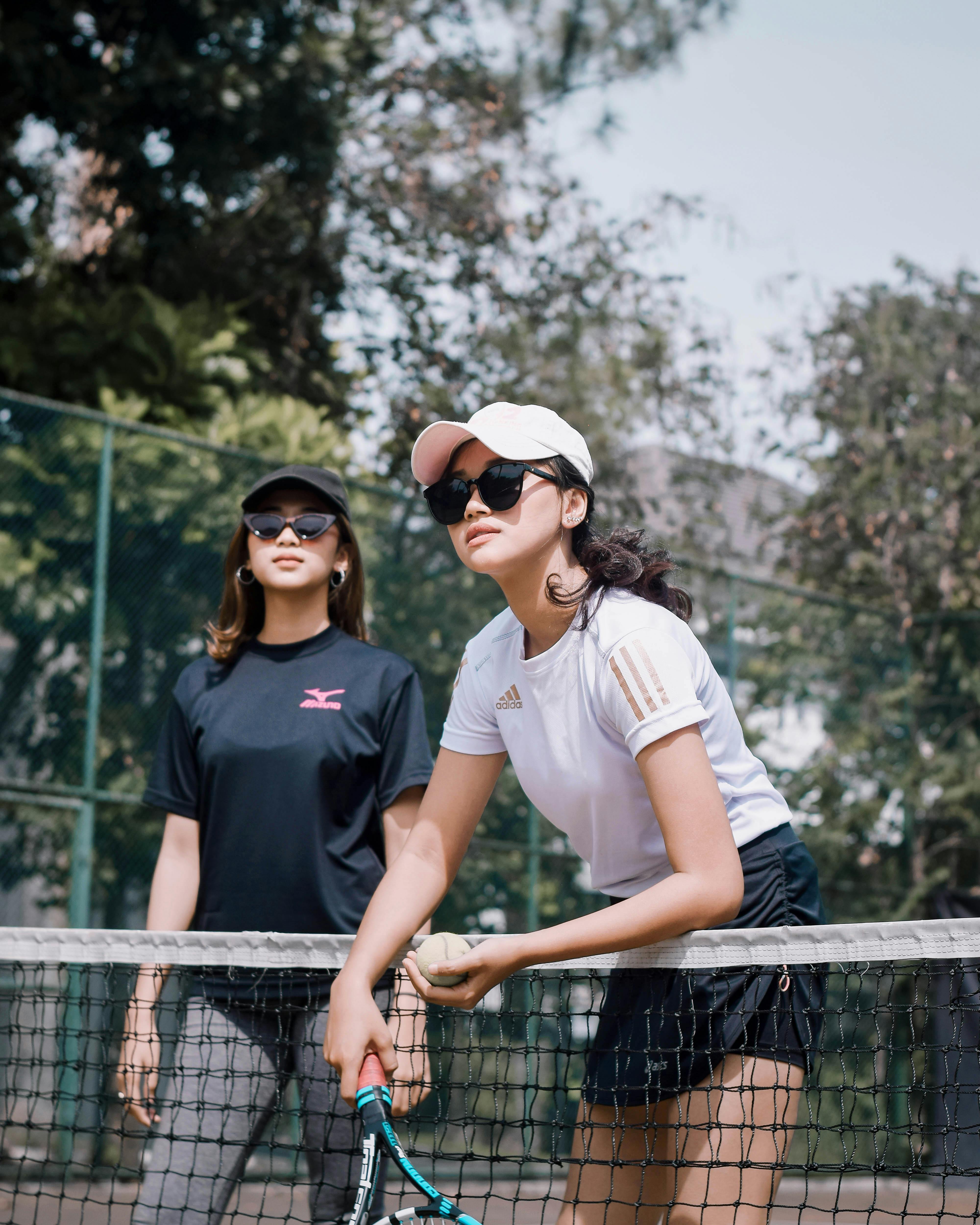
The Tennis Design Language in Casablanca Paris Collections
Tennis supplies Casablanca Paris with a pre-existing visual vocabulary that is both precise and globally compelling. Clay-court reds, grass-court greens, net-white stripes and sun-yellow accents flow through seasonal palettes, giving each range a athletic pulse. Prints portray casablancahoodiemens.com tournaments, fans, awards and Mediterranean settings executed in a painterly, subtly retro manner that avoids conventional sportswear territory. Logo crests emulate the heraldic format of imaginary tennis clubs, instilling a feeling of membership and prestige without imitating any real organisation. Knitwear regularly incorporates textured-stitch or textured motifs recalling classic tennis pullovers, while buttoned collars and polo silhouettes pay homage to match-day attire. Terry cloth—a material associated with sideline towels and wristbands—is used in shorts, robes and casual tops, deepening the physical connection to athletics. Even accessories like caps, visors and wristbands feature the Casablanca Paris crest, elevating functional items into collectible identity tokens. This nuanced strategy ensures that the tennis reference feels authentic and developing rather than tired, sustaining fans interested across several seasons in 2026 and beyond. A crest cap or woven belt can further reinforce the sporty atmosphere without cluttering the overall look.
Standout Tennis-Inspired Pieces Across Seasons
| Garment | Tennis Connection | Standard Fabric | Price Bracket (2026) |
|---|---|---|---|
| Silk printed shirt | Courtside viewer | Mulberry silk | $700–$1 200 |
| Terry shorts | Club locker room | Cotton terry | $350–$500 |
| Knit polo | Tournament uniform | Merino / cotton blend | $400–$650 |
| Track jacket | Pre-match layer | Satin / tricot | $600–$900 |
| Logo cap | Sun coverage on court | Cotton twill | $150–$250 |
| Crest-embroidered sweatshirt | Club membership | Dense fleece | $450–$700 |
Why Tennis Tradition Appeals to Premium Consumers
Tennis has historically been associated with wealth, prestige and cultural sophistication, making it a natural ally of luxury fashion. Private clubs, private courts and prestigious competitions form spaces where fashion, etiquette and visual culture converge. Unlike contact sports that prioritise physicality, tennis celebrates grace, accuracy and self-expression—characteristics that correspond to the values of premium fashion houses. Casablanca Paris draws on this cultural currency by showcasing clothing that imagine an perfected portrait of the tennis scene: perpetually bathed in sunlight, invariably social, always immaculately turned out. This inspiring picture resonates with buyers who may never play competitive tennis but who admire the way of life it symbolises. In 2026, as health and athletics increasingly intersect with clothing design, the tennis connection seems even more relevant. Events like Wimbledon, the US Open and Roland-Garros keep on draw high-profile presence and editorial coverage, bolstering the link between tennis and elegance. Casablanca Paris thrives in this landscape by presenting itself as the wardrobe for customers who want to seem as though they are members of the most exclusive clubs in the world, whether they hold a racket or not.
How Casablanca Paris Sets Itself Apart From Other Tennis-Inspired Labels
A number of clothing labels have incorporated tennis themes over the years, from Ralph Lauren’s Wimbledon collaborations to Lacoste’s heritage collection and Nike’s fashion-forward athletic ranges. What makes Casablanca Paris distinct is the degree of its investment in the visual world and its refusal to make functional sportswear. While other labels may launch a seasonal capsule referencing tennis every few seasons, Casablanca Paris constructs its whole identity around the discipline. Every range offers garments that could conceivably belong to a invented tennis club from the 1970s, updated with current colours, prints and silhouettes. The house never produces actual performance tennis gear—there are no sweat-wicking fabrics, no tournament-level shoes—which keeps the spotlight on lifestyle and culture rather than function. This difference is crucial because it places Casablanca Paris alongside luxury houses rather than sportswear companies, supporting premium price points and more intricate craftsmanship. In 2026, competitors keep on release sporadic tennis-themed collections, but none have integrated the concept as deeply into their DNA as Casablanca Paris, granting the brand a narrative edge that is hard to replicate.
Styling Casablanca Paris With a Tennis Mood in 2026
To introduce the Casablanca Paris tennis energy into regular outfits, anchor with one statement piece that displays an obvious tennis connection—a illustrated silk shirt, a terry short, or a knit polo—and build the rest of the ensemble around it with simple separates. For men, teaming a silk shirt with pressed cream chinos and suede loafers produces a sophisticated evening-out or resort ensemble that echoes the courtside social scene. For women, styling a Casablanca polo paired with a flowing midi skirt with flat sandals creates a sporty-chic outfit ideal for daytime dining and art exhibitions. Layering is also effective: layer a track jacket over a clean T-shirt and jeans to add a burst of energy and sporting character without resorting to full costume. During autumn and winter, a knit or sweatshirt with a discreet tennis crest can layer beneath a long coat or blazer, providing insulation and personality to a smart casual look. The fundamental principle is balance—let the Casablanca Paris garment do the talking while the rest of the look provides a quiet base. This balance ensures the tennis nod elegant rather than costume-like.
The Cultural Influence and Outlook of Casablanca Paris Tennis Style
Beyond clothing, Casablanca Paris has helped drive a more expansive cultural movement in which tennis is embraced anew as a aesthetic marker for a newer, more inclusive generation. Online content showcasing athletes, creatives and performers in the label have widened the influence of tennis aesthetics beyond conventional elite demographics. Pop-up events at major tournaments, limited-edition drops launched around Grand Slams and joint projects with tennis bodies keep the label prominently visible in sporting settings. In 2026, the influence of Casablanca Paris is evident not only in its own sales but in the wider fashion industry’s refreshed interest in courtside dressing and recreational athletics. Other high-end labels have begun weaving in racket motifs, tennis skirts and terry fabrics into their ranges, a movement that can be connected in part to the blueprint Casablanca Paris created. For shoppers, this translates to more possibilities and more normalisation of tennis-inspired style in regular wardrobes. For the house itself, the challenge is to continue evolving within its core space so that it stays the leading source of high-end tennis culture rather than one of many. Given Charaf Tajer’s deep personal attachment to the motif and the house’s track record of considered growth, Casablanca Paris appears poised to hold that position for years to come. For more on the meeting point of tennis and style, see reporting at Vogue and Highsnobiety.